Key Takeaways
- Tinnitus is the perception of sound, often described as ringing or buzzing, when no external sound is actually present.
- Tinnitus is a symptom rather than a disease on its own, and it is closely linked to underlying hearing loss in most patients.
- Treatment approaches include sound therapy, hearing aids, and counseling strategies rather than a single cure.
- Most patients can realistically expect meaningful relief and reduced impact on daily life, even without a full cure.
- Pittsburgh ENT and Allergy Partners offers comprehensive tinnitus evaluations in Pittsburgh, PA, and patients can schedule a tinnitus evaluation to start finding relief.
What Tinnitus Is and Why It Happens
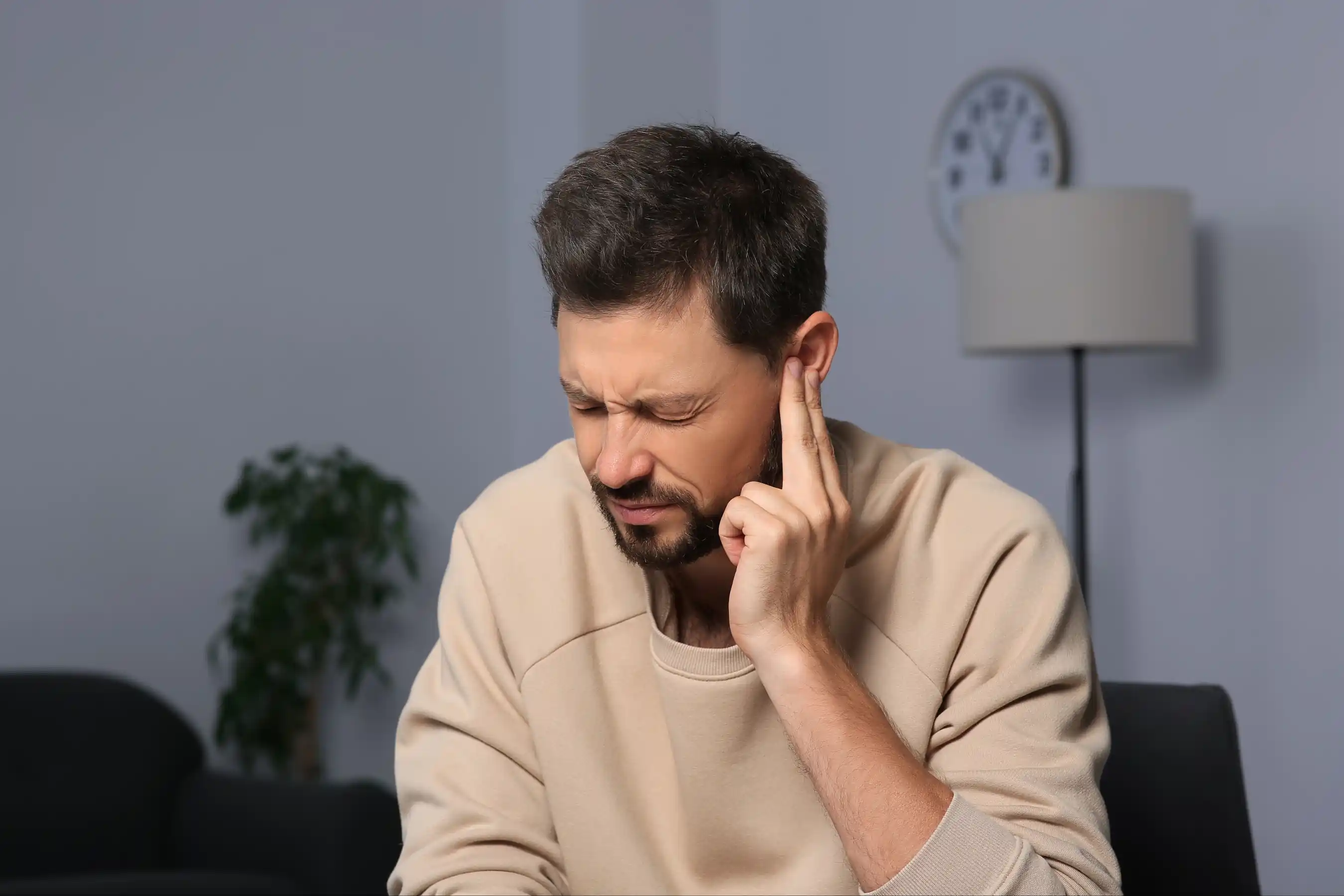
Tinnitus is the perception of a sound, such as ringing, buzzing, humming, or clicking, that has no external source. Only the person experiencing it can hear it, which can make the condition feel confusing or isolating. According to the National Institute on Deafness and Other Communication Disorders (NIDCD), surveys estimate that 10 to 25 percent of adults experience tinnitus at some point.
The exact mechanism behind tinnitus is not fully understood, but one leading theory is that damage to the inner ear changes the signals nerves carry to the brain. Although tinnitus can feel like it originates in the ear, the phantom sounds are believed to be generated in the auditory cortex, the part of the brain responsible for processing sound.
Why Tinnitus Is a Symptom Rather Than a Standalone Disease
It is easy to think of tinnitus as a condition in its own right, but audiologists and otolaryngologists generally treat it as a symptom of something else happening in the auditory system. Common underlying contributors include noise exposure, hearing loss, earwax blockage, certain medications, and head or neck injuries. Less commonly, tinnitus can be linked to Ménière's disease, jaw joint problems, blood vessel issues, or chronic conditions such as diabetes or thyroid disorders.
This is why a tinnitus evaluation at Pittsburgh ENT and Allergy Partners goes beyond simply confirming that ringing is present. The evaluation matches the pitch and volume of the sound and investigates potential underlying causes, since identifying the source can sometimes lead directly to relief.
Treatment Approaches Including Sound Therapy and Hearing Aids
There is currently no single cure that eliminates tinnitus for every patient, but that does not mean patients are left without options. According to Cleveland Clinic, tinnitus is a symptom of hearing loss or several other medical conditions, and treating the underlying condition may ease it, while sound therapy and other management strategies can reduce its impact when a full cure is not possible.
Common approaches include:
- Hearing aids: For patients whose tinnitus is linked to hearing loss, hearing aids amplify outside sounds, which can make the internal ringing less noticeable while also improving overall hearing.
- Sound therapy devices: Tabletop or wearable sound generators produce steady background sounds, such as white noise or nature sounds, that can mask tinnitus or help the brain grow accustomed to it over time.
- Counseling and behavioral strategies: Techniques such as tinnitus retraining therapy or cognitive behavioral therapy can help patients reclassify tinnitus sounds as neutral background noise rather than a source of distress.
- Addressing the underlying cause: When tinnitus stems from a treatable issue, such as earwax buildup or a jaw joint problem, resolving that issue can reduce or eliminate the tinnitus itself.
The Connection Between Tinnitus and Underlying Hearing Loss
Hearing loss and tinnitus frequently occur together, though not everyone with hearing loss develops tinnitus, and not everyone with tinnitus has measurable hearing loss. Because the two conditions are so closely linked, an audiologist evaluating tinnitus will typically also assess hearing sensitivity as part of the same visit.
| Question | Tinnitus Alone | Tinnitus with Hearing Loss |
|---|---|---|
| Underlying cause | May involve earwax, medication, or unclear origin | Often tied to noise exposure or age-related hearing changes |
| Typical first step | Evaluation to rule out treatable causes | Hearing evaluation alongside tinnitus evaluation |
| Primary treatment focus | Sound therapy or counseling | Hearing aids, which can address both symptoms at once |
| Expected outcome | Varies based on cause | Often improves noticeably once hearing is corrected |
What Patients Can Realistically Expect from Treatment
Patients understandably want to know whether tinnitus will ever fully go away. For some, especially when a specific treatable cause is identified, symptoms can improve significantly or resolve. For others, particularly when tinnitus is tied to permanent hearing changes, the more realistic goal is meaningful management rather than a complete cure.
That distinction is not a discouraging one. Many patients who commit to a treatment plan, whether that involves hearing aids, sound therapy, or counseling, report that tinnitus becomes far less noticeable and far less disruptive to sleep, concentration, and daily life over time. The first step is an accurate evaluation to understand what is driving the symptoms in each individual case.
Ready to Find Out What Is Driving Your Tinnitus?
Tinnitus can feel like a mystery, but for most patients it has an identifiable connection to hearing health, and there are real strategies to reduce its impact even without a universal cure. Pittsburgh ENT and Allergy Partners combines audiology and otolaryngology expertise to get to the root of the sound rather than just treating the symptom in isolation.
If ringing, buzzing, or other phantom sounds have been affecting daily life, schedule a tinnitus evaluation with Pittsburgh ENT and Allergy Partners to explore treatment options tailored to your situation.
Frequently Asked Questions
Is there a cure for tinnitus?
There is currently no universal cure for tinnitus, but many patients find significant relief through sound therapy, hearing aids, counseling, or by treating an underlying cause such as earwax blockage or a jaw joint issue.
Does tinnitus always mean I have hearing loss?
Not always, but the two conditions are closely linked, and most people with tinnitus have some degree of hearing loss. A comprehensive evaluation typically includes both a tinnitus assessment and a hearing test to check for a connection.
Can hearing aids help with tinnitus?
Yes, for patients whose tinnitus is related to hearing loss, hearing aids can help by amplifying outside sounds, which often makes the internal ringing less noticeable while also improving communication.
What causes tinnitus to get worse?
Tinnitus can worsen with continued exposure to loud noise, certain medications, stress, or an untreated underlying condition. Identifying and addressing the specific trigger is often the most effective way to prevent it from progressing.
How do I find an audiologist Pittsburgh PA patients trust for tinnitus care?
Pittsburgh ENT and Allergy Partners offers comprehensive tinnitus evaluations at its Pittsburgh, PA location, combining audiology testing with medical evaluation from board-certified otolaryngologists. Appointments can be requested online or by calling (412) 679-7020.
