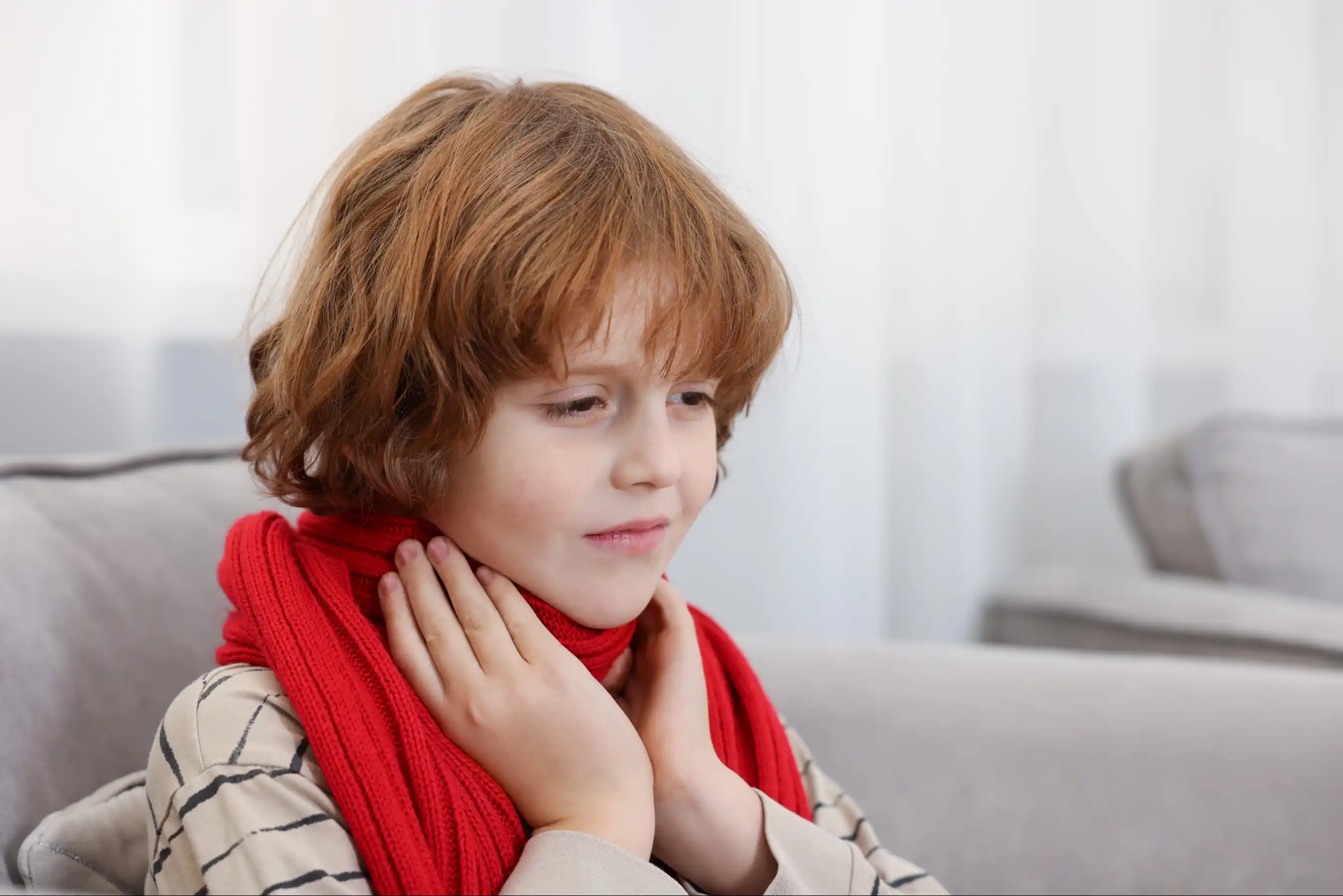
Key Takeaways
- A pediatrician looks after a child's overall health, while an ENT specialist focuses on the ears, nose, and throat and can perform procedures a pediatrician's office does not, such as ear tube placement.
- Common reasons for a pediatric ENT visit include repeat ear infections, fluid behind the eardrum that does not clear, hearing or speech concerns, frequent throat infections, and snoring with breathing trouble during sleep.
- A first visit typically includes a review of your child's history, a complete exam, a hearing evaluation when needed, and a clear discussion of every option, including watchful waiting.
- Many children never need surgery, and parents can ask their pediatrician about a referral early if something keeps coming back.
- Pittsburgh ENT and Allergy Partners provides pediatric ear care for children of all ages in Pittsburgh, PA, with families traveling from across Western Pennsylvania, and parents can request an appointment to talk with a specialist.
Common Conditions a Pediatric ENT Treats
ENT stands for ear, nose, and throat. An ENT specialist, also called an otolaryngologist, is a physician and surgeon who treats diseases of the ears, nose, neck, and throat. A pediatric ENT visit simply means an ENT visit for a child. Pittsburgh ENT and Allergy Partners welcomes children for the following concerns:
- Ear infections and fluid in the ears. Ear infections are the most common reason parents take a child to the doctor. When they keep coming back, an ENT can look for the reason and offer long-term options, including ear tubes.
- Hearing and speech concerns. Fluid behind the eardrum can quietly reduce hearing and may affect speech development. An ENT can arrange a hearing evaluation to find out.
- Enlarged tonsils and adenoids. Tonsils are two pads of tissue at the back of the throat. Adenoids sit higher, behind the nose. The practice's throat procedures include removing them when they cause repeated infections or block the airway.
- Snoring and breathing trouble during sleep. Enlarged tonsils are one of the leading causes of sleep apnea and snoring in children.
Signs a Pediatrician May Refer You to a Specialist
Pediatricians handle many ear and throat problems on their own. A referral usually comes when a problem keeps returning or is not improving with first-line care. These are the signs that often lead to an ENT visit.
Ear Infections That Keep Coming Back
According to the National Institute on Deafness and Other Communication Disorders (NIDCD), some children have as many as five or six middle ear infections a year. If infections keep returning and antibiotics are not helping, many doctors recommend a small ventilation tube placed in the eardrum to improve airflow and prevent fluid from backing up.
At Pittsburgh ENT and Allergy Partners, a child may be a good candidate for ear tubes after:
- Three or more ear infections in six months, or four or more in a year.
- Fluid in the middle ear that has been present for more than three months.
- Hearing difficulties connected to fluid buildup.
- Delayed speech or language development related to ongoing ear problems.
Frequent Sore Throats
The American Academy of Otolaryngology-Head and Neck Surgery Foundation (AAO-HNSF) publishes a guideline on tonsil removal in children. It recommends watchful waiting when a child has had fewer than seven throat infections in the past year, fewer than five per year over two years, or fewer than three per year over three years. Surgery may be considered when infections meet or exceed those numbers and are well documented. In other words, a referral for sore throats is about finding out whether watching and waiting is still the right plan.
Snoring and Poor Sleep
The same guideline names obstructive sleep-disordered breathing as one of the two most common reasons for tonsil removal. This term means breathing difficulty during sleep, usually caused by large tonsils and adenoids. The AAO-HNSF notes that children with this problem may be sleepy during the day, act out, struggle in school, wet the bed at night, or be small for their age. These signs can have other causes, so they are worth raising with your pediatrician.
What a First Pediatric ENT Visit Typically Involves
A first visit should feel like a conversation, not a rush toward surgery. At Pittsburgh ENT and Allergy Partners, the team reviews your child's history, does a complete exam, and walks you through every option so you can make a confident decision for your family. The practice also states that it would never recommend surgery without a thorough conversation first.
Depending on the concern, a visit may include:
- A health history. Dates of past infections, treatments, and any effects on sleep, hearing, or speech.
- An ear, nose, and throat exam. For ear problems, the NIDCD explains that doctors often use a lighted instrument called an otoscope to look at the eardrum, and may use a test called tympanometry to measure how well the eardrum moves.
- A hearing evaluation. Children with fluid or repeat infections often need one.
- A plan. This may be watchful waiting, medicine, ear tubes, adenoid or tonsil removal, or another approach. Families can also ask about same-day appointments if a child needs to be seen quickly.
How Pediatric ENT Care Differs from General Pediatric Care
Both types of doctors want the same thing for your child. The difference is focus and tools.
| Pediatrician | Pediatric ENT | |
|---|---|---|
| Main role | Overall health, growth, checkups, and common illnesses | Conditions of the ears, nose, and throat |
| Typical first step | Evaluates and treats common problems, sometimes with watchful waiting | Looks for why a problem keeps returning or is not improving |
| Hearing | May screen for hearing concerns | Offers full hearing evaluations through its audiology department |
| Procedures | Generally refers surgical needs | Performs ear tube placement and tonsil and adenoid removal |
| Follow-up | Ongoing primary care | Focused follow-up after procedures, such as ear tube checks |
The two work as a team. Many families see their pediatrician for everyday care and bring in an ENT for a specific, recurring problem.
When to Seek a Referral Proactively
You do not have to wait for a problem to reach a crisis. Consider asking your pediatrician about an ENT referral if:
- Ear infections are happening again and again, or fluid has lingered for months.
- Your child seems to have trouble hearing, or speech is not developing as expected.
- Throat infections are frequent enough to disrupt school and family life.
- Snoring is loud and regular, or your child seems tired and restless despite a full night in bed.
Insurance plans handle referrals differently, so call the office to ask about coverage and referral requirements. If your child is struggling to breathe, call 911 or go to the nearest emergency room.
Find Pediatric ENT Care for Your Child at Pittsburgh ENT and Allergy Partners
Knowing when to move from the pediatrician's office to an ENT can save your child months of repeat illness. The signs are usually clear: infections that keep returning, hearing or speech concerns, or sleep that is not restful.
Pittsburgh ENT and Allergy Partners offers ear, nose, and throat care for patients of all ages, including children, and families travel from across Western Pennsylvania for same-day pediatric ear visits. Schedule an appointment with Pittsburgh ENT and Allergy Partners to talk through your child's symptoms, or read more about pediatric ear care and ear tubes before your visit.
Frequently Asked Questions
What does a pediatric ENT specialist do?
A pediatric ENT specialist diagnoses and treats ear, nose, and throat problems in children. This includes recurring ear infections, fluid in the ears, hearing concerns, enlarged tonsils and adenoids, and snoring or breathing trouble during sleep.
When should my child see an ENT specialist?
Consider an ENT visit when ear infections keep coming back, fluid stays in the ear for more than three months, hearing or speech seems affected, throat infections are frequent, or snoring and poor sleep are ongoing.
Do I need a referral from my pediatrician?
It depends on your insurance plan. Call Pittsburgh ENT and Allergy Partners at (412) 679-7020 to ask about coverage and referral requirements before you book.
Does my child need surgery after seeing an ENT?
Not necessarily. Many children are first evaluated and watched over time. The NIDCD notes that doctors may wait several months to see whether things improve, and the AAO-HNSF guideline recommends watchful waiting for throat infections below certain frequency levels.
How do I find an ENT doctor near me in Pittsburgh?
Pittsburgh ENT and Allergy Partners is located at 4955 Steubenville Pike, Suite 200, Pittsburgh, PA 15205. Call (412) 679-7020 or request an appointment online, and ask about same-day availability for children who need to be seen quickly.
